The Medical Cost Planning Gap: Why OPD Cannot be Ignored
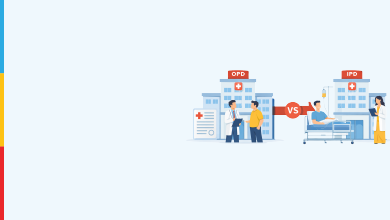
Standard mediclaim policies in India are built around IPD coverage. They kick in when you are hospitalised, and they do so well. But they are largely silent on the costs you incur between hospitalisations. India's medical inflation is between 12-15% and is one of the highest in the entire continent. It is almost more than triple the general inflation rate of 3.21%(Provisional). This means that even routine OPD expenses, such as a specialist consultation, a set of blood tests, and a month's medication, cost meaningfully more every year than the year before.
Despite progress in reducing out-of-pocket spending, much of health spending in India still comes directly from patients' pockets. A significant share of this burden is attributable to OPD expenses, the everyday costs that health insurance has traditionally left uncovered.
Consider a family with one diabetic parent and one child with recurring respiratory issues. Their annual OPD spend on consultations, HbA1c tests, insulin, inhalers, and follow-ups can easily exceed ₹30,000-₹40,000. At 12-15% medical inflation, that number grows by ₹4,000-₹6,000 every year. Over the past decade, without OPD coverage, this family has paid out of pocket for what could have been covered with a modest insurance add-on. This is the medical cost planning gap, and it grows silently, year on year.