
- Section 80D: Income tax deduction for premiums paid for health insurance and medical expenses.
- Income Tax Slabs: The progressive tax structure in India that determines tax rates for various income levels.
- HUF (Hindu Undivided Family): A tax entity that can pool assets of each member to claim deductions under Section 80D.
- Preventive Health Check-up: A medical examination is done to detect disease at early stages to check eligibility for Section 80D.
- Critical Illness Cover: An add-on to a health insurance plan that provides a lump sum payout upon diagnosis of severe diseases.
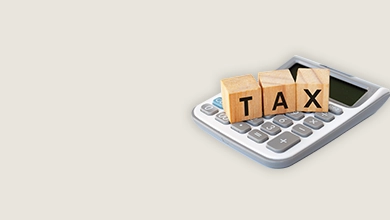
Emergencies do not ring the doorbell before walking right in. Health emergencies can arrive unannounced and deplete your wealth if you are not prepared. Mediclaim and critical health insurance plans help you prepare for health emergencies.
These insurance plans are so important to have in your investment folio that now public health insurance is part of social security schemes as well. If you are investing in Mediclaim insurance or critical health insurance, you can also claim a deduction under Section 80D of the Income Tax Act.
Key Takeaways
|
Section 80D of Income Tax Act
Section 80D of the Income Tax Act provides tax deductions on medical insurance premium paid for self, spouse, parents, and dependent children. Individuals and HUF can claim this tax deduction. The deduction limit changes with age. Section 80D provides a deduction of ₹25,000 for self, spouse, and dependent children. An additional deduction of ₹25,000 is available for premium paid for parents aged less than 60 years.
If any insurer that is self, spouse, or parents, are above 60 years of age, the limit for deduction increases up to ₹50,000. If parents are more than 80 years old i.e. super senior citizens and do not have health cover, deduction up to ₹30,000 is allowed on medical expenses incurred for them. The maximum deduction available to individuals is ₹1,00,000 and to HUFs is ₹50,000.
Save Taxes While Building Long-Term Wealth
Enter OTP
An OTP has been sent to your mobile number
Didn’t receive OTP?
Application Status
Name
Date of Birth
Plan Name
Status
Unclaimed Amount of the Policyholder as on
Name of the policy holder
Policy No.
Address of the Policyholder as per records
Unclaimed Amount

Sorry ! No records Found
Request Registered
Thank You for submitting the response, will get back with you.
Thank you for your interest in our product. Our financial expert will connect with you shortly to help you choose the best plan.
Deductions Available under Section 80D
Section 80 includes a long list of deductions from Section 80C to Section 80U. Section 80C is the most popular section, as it contains the most number of instruments and offers a total deduction of ₹1.5 lakh. Another commonly used sub-section is Section 80D, which comes with its own set of tax-saving benefits and perks.
| Max. Deduction Under Section 80D for Insured(s) is below 60 years of age | Resident | NRI |
| (Including preventive health check-up expenses) | ₹25,000 | ₹25,000 |
| Insured(s) is above 60 years of age (Including preventive health check-ups and medical treatment expenses) | ₹50,000 | ₹25,000 |
Application of Deductions with Limits | ||
| Premium paid for health insurance covering self, spouse, and children (i.e., family) (All below 60 years of age) | ₹25,000 | ₹25,000 |
| Premium paid for health insurance covering self, spouse, and children (below 25 years of age) (At least one member is 60 or above) | ₹50,000 | ₹50,000 |
| Premium paid for health insurance covering parents (Both parents below 60 years of age) | ₹25,000 | ₹25,000 |
| Premium paid for health insurance covering parents (Both parents above 60 years of age) | ₹50,000 | ₹25,000 |
| Money spent on preventive health check-ups for family (Regardless of age) | ₹5000 | ₹5000 |
| Money spent on preventive health check-ups for parents (Regardless of age) | ₹5000 | ₹5000 |
| Money spent on medical treatment of family (Regardless of age) | Nil | Nil |
| Money spent on medical treatment of parents (Above 60 years of age) | ₹50,000 | Nil |
Eligibility for Tax Benefits under Section 80D
You will be eligible to claim a deduction under section 80D of the Income Tax Act if you meet the following criteria:
- You are filing your income tax return (ITR) as an individual or HUF (Hindu Undivided Family) taxpayer
- You are an Ordinarily Resident or Non-Resident Indian for the ITR
- You have made any transactions eligible for deduction under the section 80D in the previous year.
Payments Eligible as Tax Deduction under Section 80D
Section 80D allows the following transactions as deductions from your gross total income:
- You have paid the health insurance premium for
- Family: Self, spouse, and dependent children below 25 years
- Parents: Whether dependent or not
- If you have paid preventive health check-up costs for family or parents
- If you have paid the medical treatment costs of your senior citizen parents (who are resident Indians for the PY)
- You have contributed to CGHS (Central Government Health Scheme) or any other similar notified schemes
What is the Limit of Deduction under Section 80D?
Section 80D limits the amount of deduction you can claim for the eligible expenses in one assessment year. The amounts are limited based on the following conditions:
- Resident Indian Family & Parents:
- If the beneficiaries are below 60: ₹25,000
- If the beneficiaries are above 60: ₹50,000
- If the beneficiaries are above 60 but NRI: ₹25,000
- Since you can claim deductions for family and parents separately your total 80D limit will be:
- When family & parents both are below 60: ₹50,000
- When the family is below 60 but parents are above 60: ₹75,000
- When the family is below 60, parents are above 60 but parents are NRI: ₹50,000
- When family & parents are both above 60:
- Resident family & parents: ₹1,00,000
- NRI family & parents: ₹50,000
Tax Savings - Top Selling Plans
We bring you a collection of popular Canara HSBC life insurance plans. Forget the dusty brochures and endless offline visits! Dive into the features of our top-selling online insurance plans and buy the one that meets your goals and requirements. You and your wallet will be thankful in the future as we brighten up your financial future with these plans.
Family Shield: Enhanced Protection
iSelect Smart360 Term Plan
- 3 Plan options
- Life cover till 99 years
- Steady income benefit
- Block your premium at inception
Fixed Returns, Zero Risks & Worries
iSelect Guaranteed Future Plus
- 4 Plan options
- Life cover + Guaranteed benefits
- Accidental death benefit
- Premium protection cover
Start Young, Pay Less, Stay Secured
Young Term Plan
- Life cover till 99 years
- Coverage for spouse
- Block your premium rate
- Covers 40 critical illness
What is Preventive Health Check-up under Section 80D?
Preventive health check-up expenses have been included as a part of section 80D deductions in the FY 2013-14. The provisions justify the expenses you incur to maintain your health and avoid larger expenses.
The preventive health check-up deduction under section 80D is limited to ₹5000 per financial year. The limit is a part of the total 80D limit for one taxpayer.
Therefore, your preventive health check-up expense does not expand your maximum 80D deduction limits of ₹25,000 and ₹50,000.
Example - Deduction under 80D for Preventive Health Check-up
If you (40) are a family of four (you, your spouse and two minor children) and have paid for eligible 80D medical expenses as follows:
- ₹15,000 for Mediclaim insurance cover for family
- ₹7000 for preventive health check-ups of your family
- ₹24,000 for Mediclaim insurance for parents (senior citizens)
- ₹10,000 for medical treatment of senior citizen parents
- ₹9000 for preventive health check-ups of parents
You can claim the following amounts under section 80D of the Income Tax Act:
- ₹20,000 for family (15,000 + 5000)
- ₹39,000 for parents (24,000 + 10,000 + 5000)
Thus, you can claim a total of ₹59,000 as a deduction from gross total income under section 80D for this previous year.
Deduction under Section 80D Medical Expenditure
Section 80D of the Income Tax Act allows you to claim the money spent on your or your parents’ medical treatment. The deduction is allowed only when the beneficiary is (are) a senior citizen.
For example, if you spent ₹70,000 on medical treatment in the previous year, you can avail section 80D deduction under the following conditions:
- If the age of the beneficiary (of treatment) is below 60 years: Nil
- If the age of the beneficiary is above 60 years: ₹50,000.
Things to Remember while Buying Medical Insurance
You should consider the following points while buying medical insurance and looking to claim a deduction under section 80D:
- You should purchase an adequate cover for yourself and your family and not just for tax saving.
- The deduction is available only when you pay the premium for the insurance cover of self, spouse, dependent children below 25 years, and parents whether dependent or not.
- If both you and your spouse are paying for the family floater health insurance cover, both of you can claim the deduction for your parts of the payment.
- Prorated deduction benefit applies to premiums paid for parent’s Mediclaim or treatment expenses as well.
- Group health insurance premium, even if part of CTC, is not eligible for deduction under section 80D.
- Premium paid in cash is not eligible for deduction under section 80D.
Service tax and Cess paid on the total premium are not eligible for deduction under section 80D.
How Does Tax-saving Under Section 80D Work?
Tax is deducted from the gross total income to arrive at the net taxable income.
Gross Total Income = Income from Salaries + Income from House Property + Business Income + Capital Gains + Income from other Sources.
Net Taxable Income = Gross Total Income – Deduction specified in Sections 80C to 80U of the Income Tax Act
(which includes Section 80D and its sub-sections)
How to Maximize Tax Saving under Section 80D?
The Income Tax Act, 1961, has many provisions that help you maximize your tax savings. Deductions and exemptions offered under the Income Tax Act can lower your taxable income, reducing your tax burden. Here’s a quick summary of how you can maximize your tax savings using the various tax saving investment options under Section 80C, 80CCC, 80CCD and 80D of the Income Tax Act:
1. Invest in instruments that qualify under sections 80C, 80CCC, and 80CCD(1)
Individuals and HUFs can claim a maximum deduction of ₹ 1,50,000 under these three sections, using investment options including the following:
- Employee Provident Fund (EPF)
- Equity-Linked Savings Scheme (ELSS)
- National Savings Certificate (NSC)
- Post office fixed deposit
- Premium paid on life insurance
- Public Provident Fund (PPF)
- Sukanya Samriddhi Yojana
- Tax-saving fixed deposits with a 5-year lock-in period
- Unit-Linked Insurance Plan (ULIP)
In addition, Section 80CCC provides tax deductions for certain pension plans, while section 80CCD(1) covers investments in the National Pension System and the Atal Pension Yojana.
2. Avail additional deduction of ₹ 50,000 under section 80CCD(1B)
The Income Tax Act allows you to save taxes on amounts up to ₹ 50,000 for investments made in the National Pension System.
3. Invest in health insurance plan
One can avail tax saving benefits on the premiums paid towards a health insurance under Section 80D. These deductions can be availed on health insurance premiums paid for self, spouse, children, and parents. You can claim up to ₹25,000 for on health insurance for yourself, your spouse, and your children. On health insurance for your parents, who aren’t senior citizens, you can claim an additional ₹25,000 under section 80D, while for parents who fall under the senior citizens category, you can claim an additional ₹50,000.
Section 80D can come in very handy and help reduce your tax liability significantly. Other Sections of the Income Tax Act that offer income tax deductions, ranging from Section 80C to 80U, can also be used to decrease your income tax outgo. iSelect Smart360 Term Plan by Canara HSBC Life Insurance offers dual benefits of a protective cover as well as applicable tax benefits. In addition to this, one can avail several perks like coverage against 40 listed critical illnesses, return of total premiums and a steady income benefit.
Section 80D vs. Section 80C: Key Differences
Both Section 80D and Section 80C of the Income Tax Act help taxpayers benefit from tax-saving deductions. However, each of these serves different purposes in general. Where Section 80C focuses primarily on investments and savings, Section 80D is concerned with expenses related to health insurance premiums and medical expenses.
Features | Section 80D | Section 80C |
Purpose | To help taxpayers save on medical insurance via deductions on premiums and expenses. | To help taxpayers reduce their tax liability using savings and investment scheme deductions. |
Maximum Deduction | ₹1,00,000 for family and parents above 60 years. | ₹1,50,000 per financial year. |
Coverage | Self, spouse, dependent children, and parents. | EPF, PPF, ELSS, NSC, ULIP, Life Insurance, etc. |
Preventive Check-ups | Eligible up to ₹5,000. | Not applicable |
Medical Treatment | Available for senior citizens. | Not applicable |
With a thorough understanding of Section 80D and Section 80C, you can create an efficient tax plan that helps you accumulate wealth. Combining both deductions can increase your tax savings while at the same time offering financial security to your health.
Common Mistakes to Avoid While Claiming Section 80D Deduction
Deductions under section 80D are a good way to save. However, taxpayers miss out on this opportunity due to lack of knowledge and ignorance. Here are a few pitfalls that can cost you a good tax-saving opportunity.
Premiums paid through digital modes, cheques, or drafts qualify for deductions. However, cash payments do not. To ensure eligibility, make your payment through an accepted method.
Within the 80D deduction limit, you cover preventive health check-ups, too. Up to ₹5,000 deductions are eligible under this category, and most people simply do not know about it.
Parents (senior citizens) who are not covered under health insurance are eligible for the deductions of medical expenses of up to ₹50,000. Many taxpayers are unaware of this fact.
If you do not have any part in the premium paid for the Group Health Insurance, the employer-provided health insurance does not qualify for Income Tax Act Sec 80D deductions.
Always keep receipts of your premiums and proof of medical expenses to use during tax filing. Without such proof, it can be extremely difficult to complete the process.
Keeping these points in mind while filing taxes can ensure that you fully utilise the benefits under Section 80D in income tax.
Wrapping Up
Section 80D deductions not only help reduce your tax burden but also ensure that you and your loved ones have the right health coverage, which is a must in this critical economy. A well-planned health insurance policy promotes financial security, and your choice of plan can make all the difference.
If you're in search of a comprehensive health cover that falls under the tax-saving umbrella of Section 80D, consider the iSelect Smart360 Term Plan by Canara HSBC Life Insurance. With features like critical illness coverage, flexible payout options, and tax benefits, it provides holistic financial security for you and your family.
Glossary


FAQ on Deductions under Section 80D
As per Section 80C taxpayers can avail a maximum deduction of Rs.1.5 lakh, which shall include all the investments made in tax-saving instruments.
Yes, premiums paid towards a term insurance plan qualify for deduction section 80C of the Income- tax Act, 1961.
No, the total deduction amount in aggregate under sections 80C, 80CCC and 80CCD (1) cannot exceed Rs 1.5 lakhs.
Investments towards avoiding health risks and medical insurance come under section 80D. Expenses such as preventive health check-up, and medical treatment for senior citizen parents, self or spouse also falls under section 80D.
The exclusions under section 80D consist of the following:
- Payment of health insurance premium covering any other relatives except spouse, dependent children, and parents.
- Health insurance premiums or preventive healthcare expenses paid for children above 25 years of age or employed children.
- Group health premiums even if part of the salary
- Health insurance premiums paid in cash
Maximum deduction under section 80D depends on the age of beneficiaries of the insurance cover or expense:
- The deduction is available for family (self, spouse, and children) and parents separately
- If the beneficiary is aged below 60 the maximum deduction is Rs 25,000 else, it is up to Rs 50,000
- So, the maximum deduction will be limited to:
- Rs 50,000 (25,000 + 25,000) if all family members are below 60 and parents are also below 60
- Rs 75,000 (25,000 + 50,000) if all family members are below 60 but parents are 60 or above
- Rs 100,000 (50,000 + 50,000) if one family member (self or spouse) is above 60, and parents are also above 60
You should update the premium and medical expense payment details in the form while filing your ITR form. Remember, the deduction is available only on the amount paid by you for:
- Health insurance covers for self, spouse, and dependent children below 25-year of age or unmarried daughters (family) and parents whether dependent or not
- Medical expenses for senior citizen spouse, self, or parents
- Preventive health check-up expenses paid for family or parents
You will not need to submit the documents while filing your ITR and claiming the deduction. However, you should keep the expense documents safe for a few years just in case the income tax department asks for verification.
No, the deduction under section 80D is not available for expenses incurred on working children or children above 25 years of age. However, the deduction is available for the premium paid for health coverage of an unmarried daughter who is also not working.
Health check-up deduction is available for the family consisting of you, your spouse, and your dependent children below the age of 25 and your parents. In total, you can claim Rs 5000 for your family and Rs 5000 for your parents. The parents don't need to be dependent on you.
No, premiums paid in cash are not eligible for deduction under section 80D. Only premiums paid through cheque, debit card, credit card, bank transfer and UPI will qualify for the deduction.
No, service tax or cess paid on the health insurance premiums does not qualify for deduction under section 80D.
Yes, senior citizens can claim a deduction under section 80D, if they have a taxable income and have paid for any or all of the following:
- Medical expenses for self
- Preventive health check-up costs (deduction up to Rs 5000)
- The premium for a health insurance cover for self and spouse
Recent Blogs
Don’t Miss These Income Sources While Filing ITR
11 Aug '26
6 minute read
Learn which income sources you must declare in your ITR for AY 2027-28. Avoid penalties and ensure accurate tax filing with this essential guide.
Read More
Tax Saving
ITR-5 Form: What it is, Eligibilty & How to File for AY 27-28
07 Aug '26
7 minute read
File ITR-5 for AY 2027-28 with ease! A Step-by-step guide for partnerships, LLPs & associations to simplify your income tax return process.
Read More
Tax Saving
What is Income Tax in India? Know Income Taxation System
07 Aug '26
10 minute read
Learn everything about tax on income in India 2026 - what is income tax, who pays it, current tax slabs, and smart tips to reduce your tax liability.
Read More
Tax Saving
What is Tax Saving Fixed Deposit (FD)? Know the FD benefits & Rates in India
07 Aug '26
10 minute read
Discover tax saving fixed deposit benefits, how it saves tax under Section 80C and key tax saving FD rates available for 5-year tax-saving FDs in 2026.
Read More
Tax Saving
Income Tax on Family Pension: What You Should Know
07 Aug '26
8 minute read
Understand how family pension is taxed under Indian law, what deductions you can claim, and how to file your income tax return accurately and efficiently.
Read More
Tax Saving
Income Tax Calendar For India: Key Tax Filing Deadlines You Must Know
07 Aug '26
8 minute read
Stay updated with India’s income tax calendar. Know key filing deadlines for FY 2025–26 from ITR, TDS, advance tax, and avoid penalties.
Read More
Tax Saving
Section 80CCD (1B): Deductions Under Section 80CCD of Income Tax Act
06 Aug '26
7 minute read
Learn about tax benefits under Section 80CCD (1B) for NPS contributions, including additional deductions under Section 80CCD(1B) to maximize your savings.
Read More
Tax Saving
Wealth Tax in India: Its Meaning and How Does It Works
06 Aug '26
10 minute read
Explore wealth tax in India, a direct tax on high-value assets. Learn about its abolition and how it worked. Understand its impact with Canara HSBC Life Insurance.
Read More
Tax Saving
Form 12BB: Know the Purpose & Components of Form 12BB
06 Aug '26
8 minute read
Understand the importance of Form 12BB in tax filing. This comprehensive guide explains what Form 12BB is, its purpose, and how to use it effectively for accurate income tax declarations.
Read More
Tax Saving
Popular Searches
- Tax Planning
- Income Tax Calculator
- TDS Vs TCS
- Section 80C
- What Is ITR
- Tax Concepts
- Section 80D
- Section 24
- 80DDB
- What is MAT?
- ITR-3 Form
- Term Insurance Tax Benefit
- TDS for Professional Fees
- Income Tax Slab FY 2025-26
- HRA Calculator
- TDS on Rent
- What is Income Tax Return?
- Income Tax for NRI
- How to File Income Tax?
- Section 80C Tax Benefits
- Old vs New Tax Regime
- LTCG Tax on Investments
- Tax Saving Options for Salaried
- Income Tax Rebate under 87A