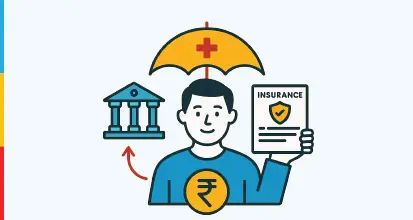
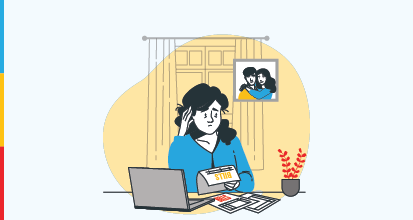
While term insurance is known for its simplicity and affordability, it does have certain limitations. These are not necessarily disadvantages of term insurance, but natural outcomes of how the product is designed. Understanding these limitations will help you prepare more effectively and avoid relying on the plan for needs it was never intended to serve. Below are some of the most common restrictions along with their real impact on families.
Limited Financial Support Beyond the Policy Term:
A term plan protects your family during the chosen tenure. However, once the period ends, the coverage stops. If responsibilities such as home loans, caring for dependent parents, or children’s education persist, the absence of coverage may create a gap. This makes it essential to consider how long you want protection and whether you require a combination of products to stay covered throughout life’s later stages.
Rising Premiums with Age and Health Changes:
Buying a term plan early is cost-effective, but delaying can result in significantly higher costs. Age, pre-existing health conditions, and lifestyle habits such as smoking can push premiums higher. For families, this means the affordability of renewing or extending cover may become difficult when protection is most needed.
Claim Exclusions That Can Limit Protection:
Every term plan comes with specific exclusions. Unfortunate events caused by self-inflicted harm, participation in hazardous activities, or undisclosed medical conditions may not be covered. This can lead to denied claims, leaving families without the expected payout. Reading the fine print carefully and making honest disclosures ensures fewer surprises later.