


benefits-of-annuities-for-retirement

What is a Paid-Up Life Insurance Policy?

Learn how paid-up life insurance preserves benefits when premium payments become tough.

2025-09-25

361 Views

7 minutes read

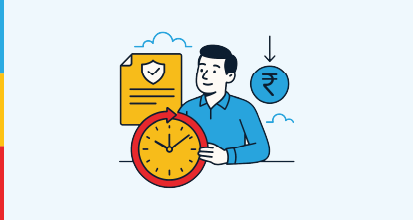
Life insurance is designed to provide financial support to the policyholder and their beneficiaries. Nevertheless, there are times when keeping up with premium payments becomes difficult. In such situations, opting for a paid-up policy allows you to maintain coverage and preserve your safety net without additional financial strain.

A paid-up life insurance policy protects what you have already built through your premium payments, ensuring certain maturity benefits for your family’s future. In other words, a paid-up policy allows you to keep the safety net intact for yourself and your loved ones without the burden of continuous premium payments. 

Let us move forward to gain a better understanding of paid-up insurance and its overall impact on your future:
 

Key Takeaways
 

  • Paid-up life insurance lets you keep cover even after stopping future premiums.
  • Surrendering a policy ends it entirely, while making it paid-up allows you to retain a reduced level of coverage.

  • Minimum premiums must be paid before a plan can become paid-up.

  • Opting for a paid-up status helps maintain long-term financial protection while easing your immediate cash flow.

  • New insurance can be added later to rebuild full protection.

What is Paid-Up Life Insurance?

A paid-up policy is created when you stop paying further premiums but still keep a smaller, adjusted cover active. The plan continues to exist because you have already paid a minimum number of premiums. It differs from surrendering a policy, which terminates your contract and leaves you with only the surrender value. Paid-up status maintains some protection and helps you retain the value you've built so far.

Get Life Cover Instantly

Please enter correct name Please enter the Full name
Please enter valid mobile number Please enter Mobile Number
Please enter valid email Please enter Email

Enter OTP

An OTP has been sent to your mobile number

Didn’t receive OTP?

Application Status

Name

Date of Birth

Plan Name

Status

Unclaimed Amount of the Policyholder as on

Name of the policy holder

Policy Holder Name

Policy No.

Policy Number

Address of the Policyholder as per records

Address

Unclaimed Amount

Unclaimed Amount
Error

Sorry ! No records Found

.  Please use this ID for all future communications regarding this concern.

Request Registered

Thank You for submitting the response, will get back with you.

When Does a Policy Qualify to Become Paid-Up?

Most life insurance policies require you to pay premiums for a fixed period of time. All insurance providers have a different time range set for providing paid-up status. It is from one year to at least two or three consecutive years. Once this basic requirement is met, if the policyholder  is unable to pay further premiums, they can convert the policy. This option is especially helpful when sudden events strain your cash flow, such as an unexpected job loss, new educational expenses, or other responsibilities that offset your budget.

Features That Define a Paid-Up Life Insurance Policy

A paid-up plan retains some of its core benefits even after you stop paying further premiums. Here are two key features that shape how it works:

  • Reduced Sum Assured Yet Active Protection: The sum assured is the primary life insurance coverage provided by the policy. When the policy becomes paid-up, this amount reduces in proportion to the premiums already paid compared to the originally planned total. Though the coverage amount becomes smaller, it ensures that your family has some support if a claim arises during the policy term.
  • Possible Maturity Value: In some traditional plans or endowment plans, reduced maturity value may still apply. The amount depends on how long premiums were paid before the change and the kind of bonuses already attached to the plan before the conversion.

Why Paid-Up May Be Better Than Surrendering?

When you surrender a policy, you receive whatever surrender value has accumulated, and the coverage ends permanently. A paid-up policy, on the other hand, keeps the contract in force. The sum assured is reduced but still offers some payout if a claim occurs during the remaining term.

Turning your policy into a paid-up life insurance plan helps you retain long-term protection and ensures your past premiums paid over the years continue to serve a purpose. Your family continues to have some level of financial protection, and any bonus or guaranteed addition earned until the date of conversion usually remains intact. It also gives you the flexibility to restart your insurance journey later without losing earlier benefits entirely.

trivia-img

Did You Know?

Under Section 10(10D), the surrender value is exempt from tax if premium does not exceed 10% of the sum assured for policies issued on or after April 1, 2012


Source: itmanagement

iSelect Guaranteed Future Plus

What are the Things to Review Before Converting to Paid-Up?

Each life insurance policy handles paid-up conversion differently, so understanding the impact in advance will help you make an informed decision. Before changing your policy status, a careful review ensures your family’s future security is not reduced more than expected. Reviewing the following few things also ensures that you know what support will remain active once premiums stop:

  • Effect on Death Benefit: Your death benefit will be reduced. It is essential to know the exact new sum assured to determine if it is sufficient for your loved ones.
  • Bonus and Additions: Some policies keep the bonuses you have already earned, but stop adding new ones after the conversion. Confirm this with your insurer to avoid surprises later.
  • Loan Value and Accessibility: The surrender value will decrease after the policy is paid up. This affects how much you can borrow if you need a loan against the policy in the future.

A Quick Comparison of Paid-Up Policy and Continuing Premiums

To understand the practical difference, consider the following as a simpler overview:
 

Aspect

Continuing Premiums

Paid-Up Life Insurance

Life Cover

Full as planned

Lower but remains active

Maturity Value

Full payout

Smaller, but may exist

Premium Payments

Ongoing

Stopped

Loan Access

Higher

Limited

Policy Status

Active

Active but partial benefits

When Can Paid-Up Conversion Be Practical?

There are situations where this option to convert to a paid-up plan fits well. If your income stops unexpectedly or your business faces a slowdown, pausing further premium payments and keeping the policy alive can bring relief. 

Families facing major expenses, such as medical treatment or home renovation, sometimes choose this route to ease financial stress. This is because it simultaneously preserves earlier insurance efforts. Young professionals who are still building income may convert a policy and later purchase new cover when their finances are stable again.

Switching to paid-up status can affect some long-term goals of the existing life insurance policy. If you originally planned your life cover for some other purpose, the reduced cover may not fully meet these targets. Reviewing your broader financial plan is crucial before making a decision. You may need to add another smaller plan later to fill the gap.

Practical Tips Before Making Your Policy Paid-Up

Turning your life insurance into a paid-up plan is a serious decision that affects your long-term financial safety. Before you take this step, consider the following points carefully:

  • Read your policy terms to see how going paid-up will affect your sum assured, maturity value, and other benefits. Understanding these changes up front avoids unpleasant surprises later.

  • Request an official calculation showing the revised sum assured and reduced benefits once the policy becomes paid-up. This gives a clear picture of the new financial value of your plan.

  • Sometimes you might only need extra time to pay a due premium. Many insurers offer a grace period or revival options that may be more beneficial than switching to paid-up immediately.

  • Even after your policy turns paid-up, ensure your nominee information is correct. Updated details help prevent delays or disputes when your family needs to make a claim.

  • While going paid-up provides some protection, it often reduces future payouts. Ensure this aligns with your financial goals and any other coverage you may have.

Balancing Your Insurance Strategy After Going Paid-Up

Even with a paid-up life insurance plan in place, you may eventually need more protection as responsibilities grow again. Consider combining your existing reduced cover with a new affordable term or savings plan once your income improves. Modern options, such as iSelect Guaranteed Future Plus, offer flexible coverage and long-term growth features that can help rebuild your financial safety net while preserving the value of your earlier policy.

Conclusion

Life does not always go as planned, and paying premiums for many years can sometimes become difficult. Choosing to make your life insurance policy paid-up is a practical way to protect the value of your already paid premiums. It keeps a part of your cover active and offers peace of mind during uncertain times.

However, it is important to know how the benefits reduce and how they affect long-term family security. Review your goals, understand the new cover amount, and plan additional protection later if needed.

By taking thoughtful steps, you can turn a challenging moment into a smart financial decision and keep your loved ones protected. In addition to proper planning, you can also explore the insurance plans we offer.

Build on the foundation you have already established and move forward with confidence.

Glossary

  1. Maturity Value: The amount your policy pays at the end of its term if it remains active until maturity
  2. Liquidity: Ease of converting assets or policies into cash for immediate use when needed
  3. Grace Period: Extra time after a missed premium due date to make payment and keep the policy active
  4. Surrender Value: The amount you receive if you choose to end your life insurance policy before it matures
  5. Sum Assured: The guaranteed amount an insurer pays to the nominee in case of the policyholder’s untimely demise during the policy term
glossary-img
Uncertain About Insurance

FAQs

Not all plans allow paid-up conversion. Most traditional and endowment policies do so after a minimum premium period, but some term plans may not. Always review your policy document or confirm with the insurer before making a decision.

The paid-up value is generally calculated based on the premiums you have paid compared to the total premiums initially planned. It reduces the sum assured and other benefits in proportion to the payments you have made.

Some policies allow for revival within a specific timeframe, while others do not. Checking your plan’s revival period can help determine if you can resume full benefits or not by paying the premiums later.

Premium deductions under sections like 80C or 80D apply only while you pay premiums. Once you stop payments and the plan is paid in full, no further deductions are available.

Disclaimer - This article is issued in the general public interest and meant for general information purposes only. The views expressed in this blog are solely those of the writer and do not necessarily reflect the official policy or position of Canara HSBC Life Insurance Company Limited or any affiliated entity. We make no representations or warranties of any kind, express or implied, about the completeness, accuracy, reliability, suitability, or availability with respect to the blog or the information, products, services, or related graphics contained in the blog for any purpose. Any reliance you place on such information is therefore strictly at your own risk. You should consult with a qualified professional regarding your specific circumstances before taking any action based on the content provided herein.

Life Insurance - Top Selling Plans

We bring you a collection of popular Canara HSBC life insurance plans. Forget the dusty brochures and endless offline visits! Dive into the features of our top-selling online insurance plans and buy the one that meets your goals and requirements. You and your wallet will be thankful in the future as we brighten up your financial future with these plans.

Recent Blogs

Life Insurance Policy Lapse: Impact, Risks and What You Can Do?
16 Jan '26
3003 Views
10 minute read
Know what a life insurance policy lapse means, why it happens, how it affects coverage and benefits, and the options available to restore protection.
Read More
Life Insurance
Best Investment Options with High Returns in 2026
10 Jan '26
9682 Views
16 minute read
Best Investment Options in India. Looking for investments to meet your long-term financial goals? Here are the best investment plans for the year 2026 in India.
Read More
Life Insurance
Have Multiple Life Insurance Policies? Things You Should Know
09 Jan '26
1291 Views
7 minute read
Is it legal to own multiple life insurance policies? Would it cause any problem in claim settlement? Discover your answers here.
Read More
Life Insurance
What is Survival Benefit in Life Insurance?
06 Jan '26
3233 Views
7 minute read
Learn about survival benefits in life insurance, how they work, and their key features. Understand eligibility and payouts with Canara HSBC Life Insurance.
Read More
Life Insurance
Types of Life Insurance: Which One is Best for You?
05 Jan '26
3118 Views
9 minute read
Learn about different types of life insurance policies with Canara HSBC Life Insurance. Discover the best plans in India in 2026 and know how to buy them online.
Read More
Life Insurance
Principle of Indemnity: Meaning, Concept, Example
05 Jan '26
4537 Views
11 minute read
Understand the Principle of Indemnity in insurance. Its meaning, concept, and real-life examples. Learn how it protects policyholders from financial loss.
Read More
Life Insurance
What Is a Joint Life Insurance Policy and How Does It Work?
31 Dec '25
1181 Views
10 minute read
A joint life policy is a single plan that covers both the wife and the husband whether both of them are earning or only one. Understand how it works, who it suits best, key benefits, payout structure, and important points to consider before choosing one.
Read More
Life Insurance
What Is Insurable Interest in Life Insurance?
31 Dec '25
2466 Views
11 minute read
Explains the meaning of insurable interest in life insurance, why it is required, who can have it, and how it affects policy validity and claims.
Read More
Life Insurance
9 Financial Resolutions to Become Money-Smart This Year
31 Dec '25
1281 Views
11 minute read
Buy the best life insurance plan and become financially fit. Learn 9 more different financial resolutions to make your year worthwhile.
Read More
Life Insurance