5 Ways to Cash Out a Life Insurance Policy

5 Ways to Cash Out a Life Insurance Policy

Considering cashing out your life insurance? Explore 5 essential methods, from surrendering to selling, and their potential impacts.

Written by : Knowledge Centre Team

2025-09-02

4895 Views

15 minutes read

You might have heard a million times that a life insurance policy is a must-have if you are the only earning member in your family, as it assists in safeguarding the future of your loved ones in case of your untimely death.

However, you might be surprised to know that apart from protecting your family after your demise, there are life insurance policies like Promise4Growth Plus can also prove to be extremely beneficial at the time when you are facing a severe financial crisis.

While it is not considered morally right to cash your life insurance by jeopardising your long-term purposes or the monetary future of your loved ones, you can always use these life insurance policies as an immediate income option when there is no other way left to generate liquidity.
 

Key Takeaways


  • Cashing out life insurance should be a last resort to prevent long-term financial loss for your loved ones.
  • Partial withdrawals and policy loans can offer liquidity without surrendering the entire policy.
  • Surrendering your policy ends coverage and may result in taxes and surrender fees.
  • Life settlements provide higher returns than surrendering but lack government regulation.
  • UlIP plans like Promise4Growth Plus can offer financial security while allowing investments for future growth.

Get Life Cover Instantly

Please enter correct name Please enter the Full name
Please enter valid mobile number Please enter Mobile Number
Please enter valid email Please enter Email

Enter OTP

An OTP has been sent to your mobile number

Didn’t receive OTP?

Application Status

Name

Date of Birth

Plan Name

Status

Unclaimed Amount of the Policyholder as on

Name of the policy holder

Policy Holder Name

Policy No.

Policy Number

Address of the Policyholder as per records

Address

Unclaimed Amount

Unclaimed Amount
Error

Sorry ! No records Found

.  Please use this ID for all future communications regarding this concern.

Request Registered

Thank You for submitting the response, will get back with you.

5 Smart Ways for Cashing Out a Life Insurance Policy

A term or whole life insurance creates a reserve from the surplus earnings and premiums, and these accumulations are deposited in the account of the policyholder. However, you must note that you must only cash out a life insurance policy at the time of extreme financial crisis, as it can also have severe repercussions in the long run. A life insurance policy allows the policyholder to cash out their policy in various ways at the time of economic difficulties that are mentioned below.

1. Complete Withdrawal

If you are under a financial crisis or operating on low funds, or maybe you just need to make a big purchase for your home or business, then withdrawal is the most prevalent way to cash out your life insurance policy. At the time of withdrawal, the policyholder holds the absolute right to decide whether they want to draw out a partial amount or the whole amount.

Depending upon your life insurance policy and the amount of your cash value, this process of withdrawal could either reduce your death benefit coverage amount or even get lapsed. Apart from this, the process of withdrawal is also not tax-free. If the policyholder withdraws the sum deposited with the initial 15 years, the amount withdrawn by the policyholder will be subject to taxation along with an early withdrawal penalty of 10 percent if the person is below 60 years of age.

2. Taking Out a Loan

Another most popular way to cash out a life insurance policy is to draw out a loan on the said policy. Every cash value life insurance policy that you take enables you to borrow funds from the policy provider where you can utilise your cash-accumulation policy account as security. However, the loan amount and the interest rate might vary according to the type of life insurance policy you have opted for.

3. Surrendering your Life Insurance Policy

When you are under a complete broke situation and taking a loan on your life insurance plan won't work, you have the option to fully surrender your policy and draw out the complete term life insurance cash value.

However, before choosing to surrender, you must keep various factors in consideration. The foremost point that you must bear in mind is that giving up on your life insurance policy will leave nothing for your loved ones, and they will receive no financial security in case of your untimely demise.

Apart from this, many life insurance policies charge a taxable surrender fee from the policyholder and further reduce the amount of the policy. In case if you have an outstanding loan on your policy, then this amount can further get reduced, and you might also be subject to a higher tax rate.

4. Life Settlement Method

Under this cash-out option for a life insurance plan, the policyholder can trade their life insurance policy to a life settlement organisation or any other individual in place of cash or monetary compensation. Whether you have chosen to buy a single premium insurance plan or you may have chosen a different mode of premium payment. The new buyer of your policy will keep the policy running by paying regular premiums and also receive the mortality benefit at the time of your demise.

However, to avail of this life settlement benefit, the policyholder must be at least 65 years of age, and the main advantage of receiving this life settlement is that it is more beneficial than surrendering your life insurance policy. While this life settlement is the most suitable method to cash out your life insurance policy, the only drawback it holds is that this method is not government regulated, and you cannot be 100 percent assured that you are receiving the right amount.

5. Build your Portfolio

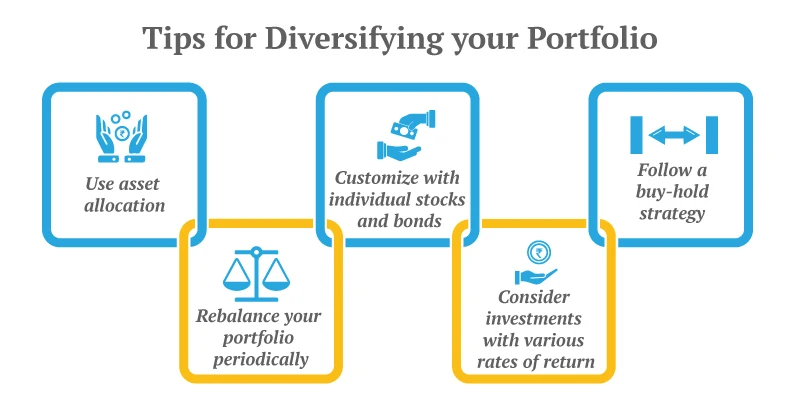
Cash-value life insurance has become extremely popular amongst investors in the present times and also among people who are looking to enhance their retirement earnings. If you have acquired strong cash value in your term insurance plan, you can invest these funds for investing in equity or any other financial instruments to diversify your portfolio.

This diverse portfolio will assist in saving a lot of funds for you and your family past your retirement or in case of your unfortunate death. However, you must always consult your financial advisor before investing in any financial instrument so that you get a better understanding of how to adjust your investment portfolio.

Financial trouble can urge you to consider selling your insurance policies and assets for cash. While cashing out a life insurance policy can assist you in coming out of a financially draining situation, it must always be used as the last resort. You must always invest in a life insurance policy that holds the option of cashing out in times of financial crisis.

Promise4Growth Plus life insurance plan by Canara HSBC Life Insurance is one such amazing policy that offer various benefits to the policyholder. It is a Unit Linked Insurance Plan that is considered as a good investment even for short-term gains. Remember, that a term insurance do not have any cash value, but savings cum protection plans like Promise4Growth Plus can help you during an economic meltdown.

How to Avoid Taxes and Penalties When Cashing Out Life Insurance?

Cashing out your life insurance policy can provide much-needed financial relief. However, the key to keeping it free from any tax liabilities and penalties is to do it strategically. Understanding the tax implications and withdrawal conditions helps you optimise your funds while minimising unnecessary costs. 

Here’s how you can avoid taxes and penalties when opting for the withdrawal of a life insurance policy.

Understand Taxable & Non-Taxable Withdrawals

Not all withdrawals from a life insurance policy are taxable. The taxation depends on the type of policy and how much you’ve contributed.

  • Tax-Free Withdrawals: If you withdraw only up to the amount you’ve paid in premiums (known as the policy’s cost basis), it is usually tax-free
  • Taxable Withdrawals: Any amount exceeding your cost basis, particularly the accumulated interest or investment gains, will be subject to income tax.

Choose Partial Withdrawals Over Full Surrender

If you need liquidity, consider a partial withdrawal of a life insurance policy rather than surrendering it entirely. Partial withdrawals allow you to access funds without completely losing coverage.

On the other hand, with full surrender, you not only lose insurance benefits but may also owe taxes on any gains. Some policies offer tax-free partial withdrawals up to a certain limit, making this a more tax-efficient option.

Take a Loan Against Your Policy Instead of Withdrawing

Many life insurance policies, particularly whole life and ULIPs, allow you to borrow against the policy’s cash value instead of withdrawing funds directly. These loans taken against life insurance turn out to be beneficial since they are not considered as a part of taxable income. 

Moreover, simultaneously, the policy remains active as long as you pay the interest on the loan. This strategy is particularly useful when you need funds but don’t want to trigger tax consequences.

Avoid Early Withdrawals to Prevent Penalties

If you withdraw money from a cash-value life insurance policy too early (usually within the first 10-15 years), you might face:

  • Surrender Charges: Insurers impose these charges to discourage early withdrawals.
  • Early Withdrawal Penalties: If your policy is tied to investments (such as a ULIP), withdrawing funds before maturity may result in penalties.
  • Higher Taxation: Withdrawing too soon can turn the entire amount into taxable income if the policy hasn't accumulated sufficient cost basis.

Verify Your Policy’s Tax Treatment Under Indian Tax Laws

In India, life insurance withdrawals may be tax-free under Section 10(10D) of the Income Tax Act, provided:

  • The policy meets the minimum sum assured to premium ratio.
  • The policy is held for the prescribed duration.
  • UlIP withdrawals may be taxed under capital gains rules if the annual premium exceeds ₹2.5 lakh.
trivia-img

Did You Know?

ULIPs with premiums over 10% of the policy value are now taxable. Premiums below ₹2.5 lakh annually remain tax-free.

Source: ClearTax


Young Term Plan

Plan Your Withdrawals Over Time to Reduce Tax Impact

Instead of withdrawing a lump sum, consider spreading out withdrawals over multiple financial years. This ensures that only a portion of the amount is added to your taxable income each year. It also promotes an efficient approach to managing tax brackets, preventing a higher tax rate on the entire amount.

Consider Policy Riders for Emergency Funds:

If you know how to withdraw money from a life insurance policy for an emergency, instead of cashing out entirely, ensure your policy has riders like the following:

  • Accelerated Death Benefit Rider: This rider benefit allows early withdrawal if diagnosed with a critical illness.
  • Premium Waiver Rider: This helps if you’re unable to pay premiums due to disability or job loss.

These options may provide financial relief without tax implications.

Glossary

  1. Death Benefit: The sum paid to beneficiaries upon the policyholder's death, ensuring financial security for dependents.
  2. Premium Waiver Rider: An add-on benefit that waives future premium payments if the policyholder becomes disabled or critically ill.
  3. Accelerated Death Benefit: A rider that allows early access to a portion of the death benefit if diagnosed with a terminal illness.
  4. ULIP (Unit Linked Insurance Plan): A life insurance plan that offers market-linked returns along with insurance coverage.
glossary-img

FAQs

Surrendering a life insurance policy results in a cash payout, but it also ends coverage and may incur surrender charges.

Withdrawals exceeding the premium paid may be taxable, but Section 10(10D) exemptions apply if specific conditions are met.

The best way depends on your financial needs. Some options include policy loans, partial withdrawals, or life settlements.

Yes, many policies allow loans against their cash value, typically at lower interest rates than traditional loans.

Risks include losing coverage, potential tax liabilities, and receiving less than the policy’s full value.

Disclaimer - This article is issued in the general public interest and meant for general information purposes only. The views expressed in this blog are solely those of the writer and do not necessarily reflect the official policy or position of Canara HSBC Life Insurance Company Limited or any affiliated entity. We make no representations or warranties of any kind, express or implied, about the completeness, accuracy, reliability, suitability, or availability with respect to the blog or the information, products, services, or related graphics contained in the blog for any purpose. Any reliance you place on such information is therefore strictly at your own risk. You should consult with a qualified professional regarding your specific circumstances before taking any action based on the content provided herein.

Recent Blogs

Life Insurance Policy Lapse: Impact, Risks and What You Can Do?
16 Jan '26
3003 Views
10 minute read
Know what a life insurance policy lapse means, why it happens, how it affects coverage and benefits, and the options available to restore protection.
Read More
Life Insurance
Best Investment Options with High Returns in 2026
10 Jan '26
9682 Views
16 minute read
Best Investment Options in India. Looking for investments to meet your long-term financial goals? Here are the best investment plans for the year 2026 in India.
Read More
Life Insurance
Have Multiple Life Insurance Policies? Things You Should Know
09 Jan '26
1290 Views
7 minute read
Is it legal to own multiple life insurance policies? Would it cause any problem in claim settlement? Discover your answers here.
Read More
Life Insurance
What is Survival Benefit in Life Insurance?
06 Jan '26
3234 Views
7 minute read
Learn about survival benefits in life insurance, how they work, and their key features. Understand eligibility and payouts with Canara HSBC Life Insurance.
Read More
Life Insurance
Types of Life Insurance: Which One is Best for You?
05 Jan '26
3118 Views
9 minute read
Learn about different types of life insurance policies with Canara HSBC Life Insurance. Discover the best plans in India in 2026 and know how to buy them online.
Read More
Life Insurance
Principle of Indemnity: Meaning, Concept, Example
05 Jan '26
4537 Views
11 minute read
Understand the Principle of Indemnity in insurance. Its meaning, concept, and real-life examples. Learn how it protects policyholders from financial loss.
Read More
Life Insurance
What Is a Joint Life Insurance Policy and How Does It Work?
31 Dec '25
1181 Views
10 minute read
A joint life policy is a single plan that covers both the wife and the husband whether both of them are earning or only one. Understand how it works, who it suits best, key benefits, payout structure, and important points to consider before choosing one.
Read More
Life Insurance
What Is Insurable Interest in Life Insurance?
31 Dec '25
2466 Views
11 minute read
Explains the meaning of insurable interest in life insurance, why it is required, who can have it, and how it affects policy validity and claims.
Read More
Life Insurance
9 Financial Resolutions to Become Money-Smart This Year
31 Dec '25
1282 Views
11 minute read
Buy the best life insurance plan and become financially fit. Learn 9 more different financial resolutions to make your year worthwhile.
Read More
Life Insurance

Life Insurance - Top Selling Plans

We bring you a collection of popular Canara HSBC life insurance plans. Forget the dusty brochures and endless offline visits! Dive into the features of our top-selling online insurance plans and buy the one that meets your goals and requirements. You and your wallet will be thankful in the future as we brighten up your financial future with these plans.