


What Are The Benefits Of Financial Planning

Benefits of Financial Planning for a Secured Future

Financial planning acts as a roadmap to reaching your financial objectives and precisely tells you how much you must save.

2024-11-23

317 Views

8 minutes read

Financial planning is one of the most crucial steps for any person - regardless of whether they earn any income or not. A financial plan can act as a guide for your future and will help you be in control of your earnings, expenditures and savings.

While many people understand the importance of financial planning, it is still one of the steps that are postponed or skipped. In India, little to no financial security is provided to retired employees. This makes financial planning a requirement for all households. But what are the benefits of financial planning? Read along to find out.

Key Takeaways 

  • A structured financial plan helps you achieve life goals with precision.

  • An emergency fund safeguards you from unexpected financial crises.

  • Financial planning enhances money management and decision-making.

  • Smart investments improve your standard of living and long-term stability.

  • Achieving financial independence starts with disciplined financial planning.

What is Financial Planning?

Financial planning is the process of organising and managing your finances to achieve specific financial goals and ensure long-term financial security. It involves evaluating your current financial situation, including your income, expenses, assets, and liabilities, and then setting clear, actionable goals based on your future needs and desires. Financial planning covers various aspects such as budgeting, saving, investing, insurance, retirement planning, and tax management. 

By creating a personalised strategy, financial planning helps you prioritise and allocate resources efficiently, manage risks, and make informed decisions to build and protect your wealth. Regularly reviewing and adjusting the plan ensures that it remains aligned with changes in life circumstances, market conditions, and evolving financial objectives, ultimately leading to greater financial stability and success.

Why Financial Planning is Important?

Financial planning is important because it provides a clear roadmap for your financial future. Here are the key reasons why it is crucial:

  • Set and achieve your financial goals with a structured approach.

  • Ensure your financial security with emergency funds and risk management.

  • Manage and reduce your debt to free up savings and investments.

  • Plan for your retirement with long-term savings and investments.

  • Helps in making informed financial decisions for a stress-free future.

Begin securing your future

Please enter correct name Please enter the Full name
Please enter valid mobile number Please enter Mobile Number
Please enter valid email Please enter Email

Enter OTP

An OTP has been sent to your mobile number

Didn’t receive OTP?

Application Status

Name

Date of Birth

Plan Name

Status

Name of the policy holder

Policy Holder Name

Policy No.

Policy Number

Address of the Policyholder as per records

Address

Unclaimed Amount

Unclaimed Amount
Error

Sorry! No records Found

.  Please use this ID for all future communications regarding this concern.

Thank you for your interest in our product. Our financial expert will connect with you shortly to help you choose the best plan.

Seven Benefits of Financial Planning

By systematically assessing your current financial situation and defining your financial objectives, financial planning allows for better management of resources, mitigates risks, and paves the way for future prosperity. Here are seven key advantages of financial planning:

1. Achieving Financial Goals

Every individual has financial goals. Some may strive to be independent of their parents, while others may strive to complete a world tour. Without a financial plan, you will save money every month for these goals. However, they will lack accuracy.

A financial plan sets in stone how much money you require to achieve a goal, making it one of the simplest benefits of financial planning. When you customise a plan to include your goals and at which age the goal should be achieved, you can plan your finances accordingly. This ensures you don’t spend the money before you achieve this goal. It can help you make smart decisions about your money and reduce expenditure.

2. Preparation for Emergencies

Accidents, business loss or illnesses cannot be predicted. These situations require you to prioritise health over finances. However, without a stable financial standing, getting the required support can become difficult or even impossible. This forces people to borrow money or take out an extra loan from banks.

Here are 5 financial planning rules for first-time earners.

Executing and adhering to a financial plan means you have a specific amount saved. An emergency fund is one of the most recommended products and one of the top benefits of personal financial planning. If you’ve adhered to your financial plan, you will also have one. This emergency fund can then be used.

3. Improved Financial Understanding

Opportunities come with no warning. Whether you’ve come across an investment opportunity or for an opportunity to start your own business, these situations require you to come up with money and fast. Having a smart financial plan means you know where your money is invested.

Having a financial plan will ensure you are always aware of your current financial standing, where your money is invested or saved and how much of it is available to you. This allows you to be completely open-minded when you come across an opportunity or emergency. Furthermore, if you get any bonuses or raises, you have an acute understanding of where the money can go without requiring you to consult several people. Investing in automated savings is considered to be a good financial understanding.

4. Improved Standard of Living

A financial plan isn’t only a method to save money. If developed and executed properly, it can also help you grow your money. With accurate financial planning, you can invest your money in the right investment tools.

These can generate a secondary or even tertiary income for your family. This income, however small, can be used to improve your standard of living. You can use the money to pay off any loans without worrying about compromising your daily expenses or your dreams. It can help ensure you don’t have to worry about your household’s requirements if you have any additional expenses.

5. Financial Security

Financial security is the goal of every person in the world. Business owners or self-employed people don’t have the financial security provided by a monthly salary. Instead, their monthly income depends entirely on their business income in the month. This can make it difficult to provide financial security to your family.

Learn how to do financial planning with life insurance.

A financial plan can help you secure your family’s finances and become independent of these constraints. With a good financial plan, you can save enough money to cover your monthly expenses. The financial plan can help you manage your money when your business has extra sales. This invested, safe amount can then be used to fund your family’s expenses in months when your business does not break the profit margin.

6. Financial Independence

Financial independence has been taught to most children in the form of a piggy bank. However, as adults, most people are tied to either their family or their loans. These can be barriers that stop you from pursuing your dreams or trying new avenues in life.

Making a smart financial plan allows you to be in complete control of your finances. You can move to a different city, take a new job or start a new business without basing the decision on your financial condition. It can help you pay off your loans and become independent.

7. Get an Early Retirement

Early retirement is the dream of most Indians. After working 30+ years, most people aim to retire as early as possible. Unfortunately, without a financial plan or understanding of their finances, they’re left working the job until the maximum age. However, with a financial plan, you can save enough money to fund your lifestyle even after retirement.

By setting early retirement as a priority goal in your financial plan, you can save your money accordingly. The financial plan can also help you create your wealth so that you can continue the same standard of living even after your retirement.

These are only the seven major benefits of financial planning. Making and sticking to a financial plan can help you achieve any goals in life you may have. Furthermore, it can motivate you to pursue other hobbies or avenues without worrying about your financial position. It can help you prepare for the future of your children and ensure you don’t have to compromise on an opportunity to pay for an emergency.

Key Elements of Financial Planning

Financial planning is the foundation of a secure financial future. It involves managing risks, growing wealth, and optimising taxes to achieve financial goals.

1. Risk Management

Risk management is about preparing your finances for unexpected events. Some of the powerful ways to manage the risks are investing in life and health insurance, building an emergency fund, and diversifying your portfolio in retirement schemes. A good risk management strategy ensures financial stability even in difficult times.

2. Wealth Creation

Wealth creation is about growing your money through strategic investments. This includes instruments like mutual funds, stocks, and Unit-Linked Insurance Plans (ULIPs). The goal is to accumulate wealth over time while balancing risk and return.

3. Tax Optimisation

Tax optimisation helps you legally reduce tax liabilities through smart financial planning. Using tax-saving instruments like life insurance, ULIPs, and ELSS funds can lower taxable income while ensuring long-term wealth accumulation.

Financial Planning for Different Life Stages

At every stage of life, our financial needs are different. We need a well-structured plan that helps us to get ready for different phases of life. 

1. Early Career Planning

As soon as you start earning, start building a financial foundation. Track your daily expenses, create an emergency fund, and invest in financial instruments like mutual funds and bonds. Use tax-saving options early to grow your wealth over time.

2. Planning for Marriage and Family

When you start a family, your financial responsibilities increase. Set a budget for household expenses, get life and health insurance, and invest in a child education plan. Manage your finances wisely to balance present needs and future goals.

3. Retirement Planning

Retirement planning early ensures financial independence. Invest in pension plans and other long-term funds. Remember to consider healthcare costs, estate planning, and passive income sources to enjoy a comfortable retirement.

trivia-img

Did You Know?

Financial pressures are causing Gen Z and millennials to take on more side jobs, put off major life decisions

Source: Deloitte-2023-Genz-millennial-survey

iSelect Guaranteed Future Plus

Steps to Create a Successful Financial Plan 

A solid financial plan helps you achieve your goals and stay financially secure. Follow these key steps to create an effective plan:

1. Assessing Current Financial Situation

Start by evaluating your income, expenses, savings, and debts. Identify gaps in your financial health and take action accordingly. Understanding your current position helps you make informed financial decisions.

2. Setting Realistic Goals

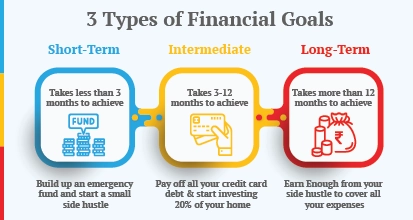
Define clear short-term and long-term financial goals. Whether you want to buy a house, fund your child’s education, or retire early, set achievable targets. Align your investments and savings with these goals for steady progress.

3. Tracking and Reviewing Progress

Regularly monitor your financial plan to ensure you stay on track. Adjust your budget, savings, and investments based on changing circumstances. Use tools like ULIP calculators and expense trackers to refine your strategy.

Financial Planning - Top Selling Plans

We bring you a collection of popular Canara HSBC life insurance plans. Forget the dusty brochures and endless offline visits! Dive into the features of our top-selling online insurance plans and buy the one that meets your goals and requirements. You and your wallet will be thankful in the future as we brighten up your financial future with these plans.

Maximising the Benefits of Financial Planning

A well-crafted financial plan is essential for securing your financial future and maximising wealth. By staying disciplined in your savings, investments, and budgeting, you can ensure consistent progress toward your goals. Adapting to market changes and reviewing your strategy regularly helps you meet financial uncertainties with informed decisions.

Financial planning provides a roadmap to achieve long-term stability, allowing you to grow your wealth, minimise risks, and work towards financial independence. Ultimately, it offers peace of mind, knowing that your financial future is safeguarded and you’re on track to meet your objectives.

To Sum It Up

Financial planning is a strategic approach to managing resources for long-term goals and financial security. It provides a road map for people and families to confidently manage their financial journeys by covering budgeting, saving, investing, and planning for unforeseen needs. You cannot underline the value of financial planning, as it offers clarity, lowers stress levels, and facilitates better decision-making. It aids in wealth accumulation, retirement security, and the accomplishment of life goals by helping you understand where your money goes and how it may work for you.

A thorough financial plan guarantees that you are ready for life's major events and unforeseen obstacles, whether you are saving for your child's education, buying a house, or retiring. Setting financial objectives and monitoring your progress on a regular basis also helps you stay on track to fulfil your dreams by allowing you to make well-informed adjustments.

Seeking guidance from a trained financial planner who can customise solutions to your particular situation will help you fully benefit from financial planning. Putting time and effort into financial planning now will pay off later in life, whether you are just starting out or want to make adjustments to your present strategy. Take charge of your financial future by beginning your planning today.

Glossary

  • Tax Planning: The process of examining a financial plan or circumstance from a tax standpoint is known as tax planning. Ensuring there is tax efficiency is the goal of tax planning. One can make sure that every component of a financial plan operates together with the highest possible tax efficiency with the aid of tax planning.
  • Automated Savings: It refers to a system where a fixed amount of money is automatically transferred from your checking account to a designated savings account at regular intervals, such as every payday or monthly.
glossary-img
Uncertain About Insurance

Financial Planning FAQs

Top 5 reasons why financial planning is important are saving for your children's college education, purchasing a family home, enjoying a secure retirement, or taking your dream vacation. It also prepares you for unanticipated events and crises, like getting sick, losing your job, or having to do home repairs.

The term "financial benefits" describes the monetary advantages derived from a specific course of action, choice, or circumstance. They can be either direct, such as an employee's pay from their employment, or indirect, such as the value of their employer's health insurance.

The top 7 steps of financial planning are:

  • Set objectives.
  • Evaluate Risk.
  • Examine the cash flow.
  • Safeguard Your Resources.
  • Assess Your Approach to Investing.
  • Think about estate planning.
  • Execute and Track Your Actions.


Start by assessing your current financial situation, setting short-term and long-term goals, creating a budget, and developing a plan to achieve those goals. Consulting with a financial advisor can also be beneficial.

While not everyone needs a financial advisor, they can provide valuable guidance, especially for complex financial situations, investment strategies, retirement planning, and tax planning.

Disclaimer - This article is issued in the general public interest and meant for general information purposes only. The views expressed in this blog are solely those of the writer and do not necessarily reflect the official policy or position of Canara HSBC Life Insurance Company Limited or any affiliated entity. We make no representations or warranties of any kind, express or implied, about the completeness, accuracy, reliability, suitability, or availability with respect to the blog or the information, products, services, or related graphics contained in the blog for any purpose. Any reliance you place on such information is therefore strictly at your own risk. You should consult with a qualified professional regarding your specific circumstances before taking any action based on the content provided herein.

Recent Blogs

Why Does Liquidity Matter in Financial Planning?
02 Jan '26
1053 Views
8 minute read
Learn what liquidity means in financial planning, why easy access to funds is important, and how liquidity helps manage emergencies and short-term needs.
Read More
Financial Planning
What Is the Right Way to Start Investing in Your 20s?
28 Dec '25
1081 Views
10 minute read
Learn how to invest in your 20s by balancing risk, building good habits early, choosing the right assets and setting the foundation for long-term wealth.
Read More
Financial Planning
Why Financial Planning Is Important for Long-Term Security?
27 Dec '25
4909 Views
11 minute read
Learn why financial planning is important, how it helps manage income, expenses and risks, and why it is essential for achieving long-term life goals.
Read More
Financial Planning
Best Investment Plans for 5 Years in India 2026
27 Dec '25
1548 Views
8 minute read
Explore the best investment plans for 5 years that balance returns and risk, helping you meet medium-term financial goals with stability and smart planning.
Read More
Financial Planning
Net Present Value (NPV): Full Form, Meaning & Formula
26 Dec '25
3899 Views
10 minute read
Net Present Value (NPV) measures an investment's total value and profitability. Learn how NPV helps in investment planning with Canara HSBC Life Insurance.
Read More
Financial Planning
How Can You Calculate SIP Returns in India?
26 Dec '25
886 Views
8 minute read
Learn how to calculate SIP returns, understand expected vs actual returns, use formula or calculators, and plan investments effectively for long-term wealth creation.
Read More
Financial Planning
Internal Rate of Return (IRR): Meaning, Formula and Usage
24 Dec '25
3868 Views
10 minute read
Understand Internal Rate of Return (IRR), its meaning, and calculation formula. Learn how it measures investment performance with Canara HSBC Life Insurance.
Read More
Financial Planning
What is a Fixed Deposit: FD Meaning, Benefits & Types
24 Dec '25
1287 Views
11 minute read
A fixed deposit (FD) is a financial instrument that allows you to invest your funds for a fixed period and earn returns at a fixed rate. Visit this section to understand in detail about FD.
Read More
Financial Planning
What Will Be The Value of Rs 1 Crore After 20 Years?
23 Dec '25
2926 Views
10 minute read
Find the actual value of Rs 1 Crore after 20 years. Why should you save Rs. 1 Crore, and how can you ensure a higher value for your wealth?
Read More
Financial Planning