


Taxpayer identification Number

TIN (Taxpayer Identification Number) in India

A TIN is an 11-digit unique identification number assigned to VAT-registered dealers in India. Tax authorities use it to track transactions.

2025-06-03

1160 Views

6 minutes read

In a country where taxes form the backbone of economic growth and governance, proper identification systems are essential to ensure financial accountability and transparency. Just as individuals are assigned PAN (Permanent Account Number) cards to link their tax-related activities, businesses need a structured system to track financial transactions across state lines and regulatory departments. This is precisely where the Taxpayer Identification Number (TIN) comes into play.

For those running a business, engaging in trading, or simply aiming to sharpen their understanding of personal finance management, knowing what is TIN number in India is more than just technical knowledge; it’s a fundamental aspect of navigating India’s tax environment.

Key takeaways

  • TIN (Taxpayer Identification Number) is an 11-digit number used to track VAT-related business transactions across states and was issued by the state Commercial Tax Departments.
  • While GST has replaced VAT in most sectors, TIN remains relevant for legacy records, audits, and sectors still outside GST, like petroleum and liquor.
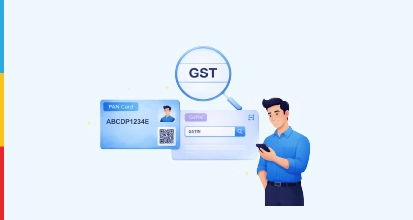
  • TIN differs from PAN and GSTIN—PAN is for income tax, GSTIN is for GST compliance, and TIN is used for VAT-registered businesses.
  • Understanding what is TIN number in India helps with legacy business compliance, vendor verification, and personal finance management, especially when dealing with older investments or tax filings.
  • TIN verification can be done online via TINXSYS or state portals for due diligence and compliance checks.

Understanding the Basics- What is the TIN Number in India?

A Taxpayer Identification Number (TIN) is an 11-digit unique number assigned to dealers, traders, and business entities registered under the Value Added Tax (VAT) system in India. Each state issues TINs through its Commercial Tax Department, and the number is used primarily to track VAT-related transactions, including interstate sales and purchases of goods.

The TIN is state-specific. The first two digits of the TIN represent the state code, while the remaining nine digits serve as a unique identifier for the registered business or dealer. For example, a TIN starting with 27 corresponds to Maharashtra, while 09 represents Uttar Pradesh.

So, when someone asks, “What is TIN number in India?”—the answer is that it’s used to trace tax compliance and business transactions under the VAT regime.


The Importance of TIN in India’s Tax Framework

Although India transitioned to the Goods and Services Tax (GST) system in July 2017, TIN remains relevant in several legacy contexts. It plays a key role in:

  • Tracking interstate movement of goods
  • Monitoring VAT payments
  • Maintaining historical financial records
  • Verifying dealer authenticity for past transactions
  • Supporting audit processes for pre-GST periods

TIN also helps prevent tax evasion by creating a transparent mechanism to move and sell taxable goods. For businesses still operating in VAT-exempt sectors (like petroleum products or alcohol, which are currently outside the GST scope), TIN registration remains mandatory.

Worried About Emergencies? Start Planning Now

Please enter correct name Please enter the Full name
Please enter valid mobile number Please enter Mobile Number
Please enter valid email Please enter Email

Enter OTP

An OTP has been sent to your mobile number

Didn’t receive OTP?

Application Status

Name

Date of Birth

Plan Name

Status

Unclaimed Amount of the Policyholder as on

Name of the policy holder

Policy Holder Name

Policy No.

Policy Number

Address of the Policyholder as per records

Address

Unclaimed Amount

Unclaimed Amount
Error

Sorry ! No records Found

.  Please use this ID for all future communications regarding this concern.

Request Registered

Thank You for submitting the response, will get back with you.

TIN vs PAN vs GSTIN: Knowing the Difference

In personal finance management, it’s important to distinguish between various taxpayer identification numbers. Each serves a different purpose:

ID TypePurposeIssued ByWho Needs It

TIN

Tracks VAT-related business tax transactions

State Commercial Tax Department

VAT-registered dealers (pre-GST)

PAN

Tracks income tax and financial activities

Income Tax Department

All individuals and businesses

GSTIN

Tracks GST compliance and returns

GST Network (GSTN)

Businesses under the GST regime

Understanding how these IDs function ensures that individuals and businesses can stay compliant and manage their finances efficiently. A misstep in identifying or using the right number could lead to compliance issues, audit triggers, or even penalties.


Is TIN Still Relevant After GST?

Since the implementation of GST, the TIN system has no longer been active for new VAT registrations in most sectors. However, the TIN database continues to:

  • Support older businesses whose operations predate GST
  • Serve as a reference in audits, reconciliations, and legal disputes.
  • Aid in cross-verification of business credentials on public portals
  • Facilitate legacy compliance in state departments

In sectors like petroleum, electricity, and alcohol, which fall outside the GST umbrella, TIN-based VAT continues to be applicable. Some government and financial forms still include a field for TIN, particularly if the form references transactions or business activity before 2017.

trivia-img

Did You Know?

Businesses needing to claim VAT input credits or file VAT returns must include their TIN. 


Source: cag.gov.in

iSelect Guaranteed Future Plus

How to Apply for a TIN in India?

If your business deals in sectors still under VAT rules (like alcohol sales), you may still need to register for a TIN. Here’s how the process typically works:

Step-by-Step TIN Registration:

  • Visit the official website of your state’s Commercial Tax Department.
  • Fill out the TIN/VAT registration form, providing business details such as nature of business, PAN, address, and turnover.
  • Upload or submit the required documents:

    1. PAN card
    2. Identity and address proof
    3. Business registration certificate
    4. Bank details and photographs
  • Pay the registration fee (varies by state).
  • After verification, a TIN will be allotted and sent to the applicant.

Note: Some states have fully transitioned to GST and may redirect applicants to register under GSTIN instead. Always verify current rules before applying.

Role of TIN in Personal Finance Management

While TIN is primarily a business identifier, its relevance in personal finance management should not be underestimated. Here’s how:

  • Verifying Business Transactions - If you’re investing in a small or mid-sized enterprise or making large purchases from a vendor, checking their TIN helps verify their tax status and compliance history.
  • Legacy Business Dealings - If you’ve inherited a family-run business or are dealing with older investments, there’s a good chance you’ll find documents referencing TINs. Knowing what they represent ensures better financial clarity.
  • Tax Audits and Transparency - If you’re managing your finances or overseeing a family member’s tax records, knowing how TIN relates to VAT filings can help avoid confusion during audits.
  • Cross-State Investments - TINs help validate cross-state vendors’ credentials, especially in asset purchases like real estate, machinery, or wholesale inventory, which is critical for sole proprietors and SMEs.

In short, understanding what is TIN number in India empowers individuals to make informed decisions and maintain clean financial records, a key part of innovative personal finance management.

Common Misconceptions About TIN

  • TIN and PAN are the same
    Truth: PAN is for income tax and individual identity; TIN is for VAT-related business transactions.
  • TIN is obsolete after GST
    Truth: TIN still exists in legacy systems and for non-GST goods like alcohol and petroleum.
  • Individuals need TIN for personal tax filing
    Truth: TIN is only for businesses under VAT (now mostly historical). Individuals only need a PAN for income tax compliance.

Where Can You Check a TIN?

TINs can be verified on government portals like:

You can enter a TIN and get basic details about the registered dealer, such as business name, location, and registration status, valid for due diligence.

Conclusion

Understanding what is TIN number in India is more than just knowing a tax term; it’s about understanding the evolution of India’s taxation system. Though largely replaced by GSTIN, the TIN still plays an important role in validating historical records, maintaining business transparency, and supporting tax compliance for specific sectors.

For individuals and business owners alike, especially those keen on building a sound foundation in personal finance management, a clear grasp of TIN, PAN and GSTIN is crucial. It’s not just about what you file but how well you understand the identifiers that shape your tax footprint.

In the evolving digital taxation and compliance landscape, what you know often determines what you owe and what you save.

Glossary

  1. TIN (Taxpayer Identification Number): An 11-digit number that tracks VAT-registered business transactions across states.
  2. State Code in TIN: The first two digits show the state of business registration (e.g., 27 for Maharashtra).
  3. TIN vs PAN vs GSTIN: TIN is for VAT, PAN for income tax, and GSTIN for GST compliance.
  4. TIN After GST: Still used for legacy audits and in sectors like petroleum and alcohol.
glossary-img
Uncertain About Insurance

FAQs

No, the first two digits of the TIN indicate the state code, making it specific to the registration state.

While GSTIN has replaced TIN in most sectors, TIN is still relevant in legacy VAT-related processes and for certain exempt businesses.

Only dealers or businesses engaged in the sale of goods (especially under legacy VAT laws) need to apply. Individuals managing such businesses may register on their behalf.

Disclaimer - This article is issued in the general public interest and meant for general information purposes only. The views expressed in this blog are solely those of the writer and do not necessarily reflect the official policy or position of Canara HSBC Life Insurance Company Limited or any affiliated entity. We make no representations or warranties of any kind, express or implied, about the completeness, accuracy, reliability, suitability, or availability with respect to the blog or the information, products, services, or related graphics contained in the blog for any purpose. Any reliance you place on such information is therefore strictly at your own risk. You should consult with a qualified professional regarding your specific circumstances before taking any action based on the content provided herein.

Financial Planning - Top Selling Plans

We bring you a collection of popular Canara HSBC life insurance plans. Forget the dusty brochures and endless offline visits! Dive into the features of our top-selling online insurance plans and buy the one that meets your goals and requirements. You and your wallet will be thankful in the future as we brighten up your financial future with these plans.

Recent Blogs

Why Should You Check Your CIBIL Score Regularly?
12 Jan '26
540 Views
5 minute read
Learn why checking your CIBIL score regularly helps improve loan approval chances, interest rates, and financial health. Simple guide for Indian consumers.
Read More
Personal Finance
Financial Literacy for Young Indians: Why Insurance Knowledge Matters?
11 Nov '25
7 Views
7 minute read
Empower your future! See why every young Indian should master financial literacy and insurance basics for lifelong financial success.
Read More
Personal Finance
Different Types of Electronic Fund Transfers In India
03 Nov '25
127 Views
6 minute read
Understand the different types of electronic fund transfer in India, including NEFT, RTGS, IMPS, UPI and more. A simple guide for quick and safe payments.
Read More
Personal Finance
Adoption in India: Legal Steps & Financial Planning Guide
03 Nov '25
612 Views
7 minute read
Understand adoption in India with key legal rules, CARA process, eligibility, and smart financial planning to secure your child’s future.
Read More
Personal Finance
What is a Trust Fund and How Does it Work?
24 Oct '25
372 Views
5 minute read
Learn what a trust fund is, how it works, and how it supports your long-term financial planning goals.
Read More
Personal Finance
Legacy Planning: Build Wealth for Future Generations
24 Oct '25
269 Views
5 minute read
Learn how to leave a lasting legacy and grow wealth for your next generation through smart financial planning.
Read More
Personal Finance
Financial Goals for Your Midlife | Smart Money Planning
09 Oct '25
557 Views
7 minute read
Discover the most important financial goals for your midlife, including wealth protection, retirement planning, insurance needs, and smart investment strategies.
Read More
Personal Finance
How to Build Long-Term Wealth Successfully?
11 Aug '25
330 Views
7 minute read
Uncover strategies for long-term investments and wealth planning to grow and protect your money over decades.
Read More
Personal Finance
How Do Policy Riders Impact Life Insurance Premiums?
18 July '25
136 Views
5 minute read
Understand how policy riders impact your life insurance costs. Choose the right riders to balance coverage and affordability.
Read More
Personal Finance