emergency fund

Why Should you Build an Emergency Fund?

Learn what an emergency fund is, how much to save, where to invest it, and ways to build a strong financial safety net for your family.

Written by : Knowledge Center Team

2025-08-04

1899 Views

7 minutes read

An emergency fund is built for unexpected emergencies. It is not a piggy bank. You are not to tap into it for a new car or a new house or a new anything. An emergency fund is for things that you did not plan for. This can include things like a natural disaster, job loss, serious illness, car repairs, or anything else that you did not plan for. Having an emergency fund is one of the first steps of your financial planning.


Key Takeaways

  • An emergency fund covers unavoidable costs like layoff or a medical crisis.
  • Try to maintain 3-6 months' worth of living costs in your liquid reserve.
  • Invest securely in options like savings accounts, fixed deposits, and liquid mutual funds.
  • Insurance helps supplement your emergency fund by covering more unforeseen costs.
  • An emergency fund provides peace of mind and financial responsibility.

How Much Emergency Fund You Should Have?

The ideal way to build such a fund is to start small and then gradually increase the amount that you contribute to it. The amount of emergency funds you should have depends on your lifestyle and your income source. If you have a stable income source and your job is not at risk, you can have a smaller emergency fund. If you are self-employed or your income is unstable, you should have a larger emergency fund.

Some factors that may help decide how much to keep in an emergency fund include:

  • Your monthly expenses
  • Your income
  • Your debt
  • Your job security
  • The stability of the economy

A good rule of thumb is to have at least three to six months of living expenses saved in your emergency fund. This may seem like a lot, but it is important to have a cushion in case of a financial emergency.

Learn about contingency planning.

Some other pointers that you may want to consider when deciding how much to keep in your emergency fund include:

  • How much financial cushion do you feel comfortable with?
  • Your ability to cover unexpected expenses with credit
  • Your overall financial stability

Worried About Emergencies? Start Planning Now

Please enter correct name Please enter the Full name
Please enter valid mobile number Please enter Mobile Number
Please enter valid email Please enter Email

Enter OTP

An OTP has been sent to your mobile number

Didn’t receive OTP?

Application Status

Name

Date of Birth

Plan Name

Status

Unclaimed Amount of the Policyholder as on

Name of the policy holder

Policy Holder Name

Policy No.

Policy Number

Address of the Policyholder as per records

Address

Unclaimed Amount

Unclaimed Amount
Error

Sorry ! No records Found

.  Please use this ID for all future communications regarding this concern.

Request Registered

Thank You for submitting the response, will get back with you.

How to Invest your Emergency Funds?

There is no single answer to the question of how to invest your emergency funds. The best way to invest your emergency funds may vary depending on your individual circumstances.

However, some general guidelines can help you make the best decision for your situation:

  • Keep your emergency fund in a savings account or fixed deposits so that it is easily accessible if you need it.
  • Invest in safe financial instruments that are not affected by short-term volatilities in the market. Else your money might be eroded when you need it the most
  • The most important thing to remember when deciding how to invest your emergency fund is to make sure that the money is readily available whenever you need it.
  • You should not invest your emergency fund in a long-term investment, such as a retirement account, that you cannot access quickly if you need the money.

In a nutshell, you should look for avenues to invest your money in instruments that are:

  • Highly liquid
  • Safe
  • Low cost and
  • Easy to retrieve

Investment Options for Building an Emergency Fund

There are a few investment options that you can consider for your emergency fund.

  • Fixed Deposits- A fixed deposit is a safe investment option. You can invest your emergency fund in a fixed deposit starting from a term of 7 days.
  • Savings Account- You can also consider saving your emergency fund in a savings account. The interest rate on a savings account is lower than that of a fixed deposit.
  • Liquid Mutual Funds- Liquid mutual funds are one of the best options for your emergency fund. These funds offer high returns and are very liquid.
  • Short-term Debt Funds- Short-term debt funds are also a good option for your emergency fund. These funds offer higher returns than fixed deposits and savings accounts.
  • Recurring Deposits- The interest earned on recurring deposits will be added to the principal amount and the total amount will get reinvested. The interest rate on recurring deposits depends on the banks and the interest rate ranges from 2.50%-8.50% per annum.
  • Credit Cards- If you have a credit card and you are in an emergency where you need to pay bills at the hospital or elsewhere, you may use your credit card. If you pay for incidental expenses, in cash, you may withdraw cash from your credit card account

Must Read - What are Financial Assets?

Creating an Emergency Fund: A Step-by-Step Guide

Building an emergency fund may be hard at first, but if you go step by step, it may be simpler to achieve. Here is a simple guide to help you build your emergency fund well:

  • Determine Your Target Amount- First, determine how much you need. If possible, save three to six months' worth of required living expenses. Consider your:
    1. Monthly rentals or EMIs
    2. Utility bills
    3. Food and accommodation expenses
    4. Insurance premium
    5. Transportation expenses

    If you are self-employed or your income is irregular, save up to nine months' expenses for extra protection.

  • Commit to a Reasonable Monthly Savings Amount- After you identify your target, determine how much you can save per month. You can start saving even ₹500 or ₹1000 per month, but it gets you in the habit of saving and is more responsible with money in the long run.
  • Automate Your Savings- Set up an automatic transfer from your salary account to a special emergency fund account or the following tools:
    1. Recurring deposit
    2. Liquid mutual fund
    3. Dedicated savings account

    Automation makes everything consistent and removes the temptation to use the money elsewhere.

  • Split Your Emergency Fund- Don't commingle your emergency fund with your total savings. It must be held in a different account or investment so you won't unwittingly use it for discretionary spending.
  • Check and Improve- Check your emergency fund every 6 to 12 months. Invest additional funds when your expenses go up or your income rises to make your fund big enough to meet your living expenses.
  • Pair With Proper Insurance- Your savings fund is your initial safeguard, but insurance protects you from high, unforeseen expenses that your savings cannot bear. Canara HSBC Life Insurance life, health, and accident insurance policies supplement your savings fund and make your financial security more robust.
  • Avoid Using it for Non-emergency Cases- Reserve your emergency fund for truly unforeseen situations, such as unreimbursed medical expenses, sudden job loss, urgent home or vehicle repairs, or critical family crises. Avoid dipping into it for planned or routine expenses; it defeats the purpose of having a financial safety net.

Solidifying Emergency Protection with Life Insurance Plans

We know that life is unpredictable and sometimes unfortunate events happen. That’s why you need protection for your family and for those you care about Insurance is the only comprehensive solution for mitigating risks to health and life. Some must-have insurance, in your emergency fund, to financially safeguard yourself:

Term Insurance:

In case of your unfortunate, untimely demise, your family will receive the sum assured from your term insurance policy. You can:
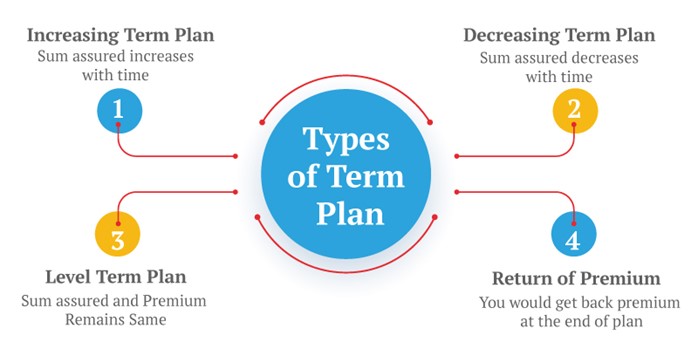
  • Divide the sum assured into a lump sum and a growing monthly income for your family
  • A lump sum amount helps them pay off their debts and save for future goals
  • Regular sum takes care of the regular expenses
  • With the annually growing income, they can keep up with inflation

Health Insurance:

Healthcare is expensive and getting costlier by the day due to inflation. Having a family Mediclaim policy is useful to pay hospital bills, should the need arise  for such a situation. It is useful because :

  • Mediclaim or family floater policy pays for hospital bills
  • Critical health insurance will pay a lump sum in the case of life-threatening illnesses like cancer, etc.
  • If bought as a rider with term insurance plans like iSelect Smart360 Term Plan from Canara HSBC Life Insurance, it will also help you continue your life cover without further premium payment in case of a critical health claim.


Accident Insurance:

While minor accidental injuries can heal and you can quickly return to your normal working capacity, more severe injuries can shake your financial foundations. Thus, the accidental disability insurance helps with:

  • Get financial support in the case of a permanent disability
  • Emergency hospitalisation support
  • Additional financial assistance to the family in the case of accidental death
  • Purchase as a rider with term insurance to add premium waiver option for the life cover in the case of disability

Also Read - Temporary Disability Insurance

Final Thoughts

An emergency fund is extremely necessary for your financial security. It keeps you ready for unwanted situations without impacting your life goals. But emergencies can be beyond your savings capacity. That's why you need an emergency fund and sufficient life, health, and accident insurance. Canara HSBC Life Insurance offers complete plans such as term insurance with critical illness riders to protect you and your family from life surprises. Begin creating your emergency fund today and secure your future with sufficient insurance.

Disclaimer - This article is issued in the general public interest and meant for general information purposes only. The views expressed in this blog are solely those of the writer and do not necessarily reflect the official policy or position of Canara HSBC Life Insurance Company Limited or any affiliated entity. We make no representations or warranties of any kind, express or implied, about the completeness, accuracy, reliability, suitability, or availability with respect to the blog or the information, products, services, or related graphics contained in the blog for any purpose. Any reliance you place on such information is therefore strictly at your own risk. You should consult with a qualified professional regarding your specific circumstances before taking any action based on the content provided herein.


Recent Blogs

Financial Planning - Top Selling Plans

We bring you a collection of popular Canara HSBC life insurance plans. Forget the dusty brochures and endless offline visits! Dive into the features of our top-selling online insurance plans and buy the one that meets your goals and requirements. You and your wallet will be thankful in the future as we brighten up your financial future with these plans.