Last published : 2024-08-02
Share

Financial planning for doctors is very similar to the doctors for everyone’s health. As a medical expert, you are looking after the physical well-being of everyone around you. However, you need to channel your earnings so that the money you earn works to make your life better. Whether you are earning well or taking your profession as a service to the people, financial planning can help you achieve your dreams better.
It takes years of toil and hard work to secure a seat to study medicine in a college. As undergraduate degrees such as MBBS may not suffice, most doctors go on to acquire an MS, MD or related degrees to specialize in an area of their choice. Their careers generally start a bit late and they earn through consultations at hospitals and private practice and that too after they have built a reputation. The earning potential is not evergreen and can start cooling off after hitting a peak during the prime time of 40-50 years of age.
Just like anyone else, doctors too have dreams, aspirations and plans. Short-term goals could be going on a vacation or renovating your house. Long-term goals may include children’s education, moving to a bigger house and planning for retirement.
Yes, as a doctor you too should plan for retirement. Although there is no formal retirement age in your profession, you’d like to stop working for money some time in your life. While young you can take up opportunities and push the boundaries of your work capacity. This also means better earnings.
However, it is important to channelise these earnings towards your goals. Financial planning will do that for you. Financial planning for doctors is specifically aimed at addressing the financial challenges, goals and aspirations you will have in your profession:
In the initial phase, you may have education loans to pay off besides making capital investments in setting up a practice. In this phase, safeguarding the family and ensuring adequate financial protection, to mitigate risks, is essential.
Planning for long-term goals and retirement can help you sustain life without financial hardships. Consistent and systematic investments, in the long run, will ensure wealth creation and a sizeable retirement corpus.
Who can be more aware of the emergencies that can befall human lives than you? However, any such emergencies should not put you off the rails financially. Contingency planning helps you have the financial cushion you need to survive such scares of life.
Here are the things you can do to indemnify yourself and your family from contingencies:
If you are a doctor, you probably know the risks in your profession. You need special insurance to indemnify yourself against any claims, compensation or damages. Although healthcare is a noble profession, the risk of getting sued is real.
People file cases of negligence and/or malpractice if a family member is affected or passes away despite your best efforts. A professional indemnity insurance policy can safeguard you against such probable financial losses.
No doubt you will earn well as a doctor. However, a reality check shows that earnings are unpredictable unlike in a stable government or corporate job. Moreover, maximum earnings happen during your primetime. The initial stages of your career will see more outflow for education, setting up your private clinic (including necessary equipment etc).
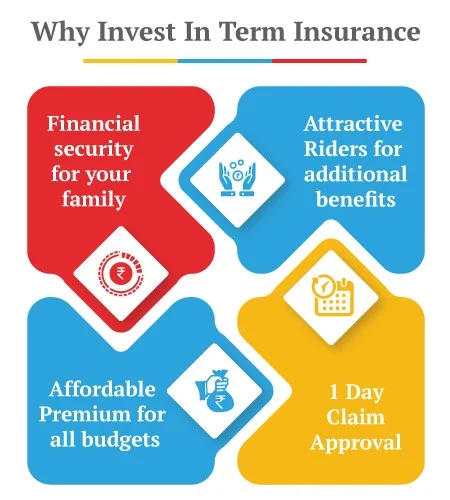
Loans for education and infrastructure can eat into your income. Your family responsibilities will also be increasing in parallel. Term insurance will ensure that your family gets an adequate sum assured in case of your unfortunate demise.
Doctors have erratic and unpredictable working hours. You may have skipped meals umpteen number of times or at best had quick bites at random hours. These food habits and working styles can affect your health. Healthcare costs are spiralling by the day.
You are more vulnerable if you have just set out to build a career. You have limited disposable income to foot exorbitant hospital bills, should the need arise. Even at later stages, healthcare cover is essential because treatment for serious illnesses is expensive. Health insurance can help you manage these expenses. Additional riders for critical illness and accidents allow an additional lumpsum amount to be paid that can be utilized for incidental expenses.
Start investing the day you start earning. Despite all financial commitments, make it a habit to set aside at least 10% of your income for your retirement kitty. Invest in diverse financial instruments to maximize returns. A few are listed below for your ready reference:
In ULIPs, you can put your money in diverse equity and debt funds. Early exposure to equity can generate wealth. When you are closer to retirement, move your money to debt instruments to preserve capital. The returns from ULIPs are exempt from tax under section 10(10D). The following features make ULIPs a perfect retirement saving plan:
PPF is a sovereign guaranteed investment and comes with tax benefits. PPF offers a 7.1% p.a. rate of interest (as per the July 1, 2022 circular). The amount deposited in PPF accounts is deductible, under Section 80C, from taxable income whereas all withdrawals are exempt from taxes. Partial withdrawals are allowed from the 7th year.
Investments in NPS are exempt from taxes both at maturity and annuity (up to 40%) stages. Upon reaching 60, you can withdraw 60% of the corpus and receive a pension from the balance of 40%. Contributions to NPS are deductible, under sections 80C, section 80CCD(1b), from taxable income.
Your family’s financial goals may include different things ranging from career planning to leisure time. Here are some common goals that most people think of:
Investment should be done keeping in view the short- and long-term objectives. Long-term objectives can be matched with slightly illiquid investments whereas short-term goals can be met with simple financial instruments such as bank deposits etc. A few pointers are listed below:
Keeping funds liquid is necessary because you may need the money anytime. A savings account and bank fixed deposits (without a lock-in period) are ideal.
Mutual funds focus on specific industries or companies and you may invest depending on your risk appetite and targeted return. For guaranteed returns in the medium term, you may consider mutual funds that invest in government securities, corporate debentures and bonds.
You want money to pay your child’s college fees or build your dream house. As builders charge in tranches and colleges ask fees each semester, you may want money in streams rather than as a lump sum. ULIPs are best suited for this purpose because you can invest in both equity and debt. In the initial stage, you must allocate more money to equities to generate wealth and subsequently start moving to debt funds. ULIPs also allow partial withdrawals at certain stages to meet milestone-based expenses.
Financial planning and goal setting are important even for doctors. You must take this up on priority. Although doctors have great earning potential, investing wisely is equally important. The most important thing is to make a plan that is relevant to both you and your family.
An OTP has been sent to your mobile number

Sorry ! No records Found
Thank You for submitting the response, will get back with you.
Thank you for your interest in our product. Our financial expert will connect with you shortly to help you choose the best plan.
Disclaimer - This article is issued in the general public interest and meant for general information purposes only. The views expressed in this blog are solely those of the writer and do not necessarily reflect the official policy or position of Canara HSBC Life Insurance Company Limited or any affiliated entity. We make no representations or warranties of any kind, express or implied, about the completeness, accuracy, reliability, suitability, or availability with respect to the blog or the information, products, services, or related graphics contained in the blog for any purpose. Any reliance you place on such information is therefore strictly at your own risk. You should consult with a qualified professional regarding your specific circumstances before taking any action based on the content provided herein.






We bring you a collection of popular Canara HSBC life insurance plans. Forget the dusty brochures and endless offline visits! Dive into the features of our top-selling online insurance plans and buy the one that meets your goals and requirements. You and your wallet will be thankful in the future as we brighten up your financial future with these plans.