A No-Fluff Guide to Managing Your Salary on Payday
Creating a simple system on payday can transform how you handle money throughout the month. Instead of treating savings as what remains after spending, the goal is to assign a clear purpose to your salary the moment it arrives.
Start with a Clear Salary Allocation Plan
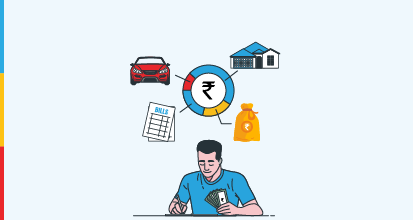
Before any spending begins, it helps to decide how your salary will be divided across key financial priorities. This ensures that important obligations and savings goals are addressed immediately rather than postponed. A practical salary allocation framework usually includes the following categories:
- Essential expenses: rent, groceries, transportation, insurance, and utility bills
- Savings: emergency fund contributions and short-term savings goals
- Investments: SIPs (Systematic Investment Plans), retirement contributions, or long-term financial planning
- Lifestyle spending: dining, entertainment, shopping, and travel
By dividing income into these categories early in the month, you create a clear financial roadmap. Instead of constantly wondering whether you can afford a purchase, your spending automatically fits within predefined limits.
This approach also improves salary saving discipline, as savings become a planned allocation rather than an afterthought.
Follow the 50-30-20 Budgeting Rule
One of the simplest and most widely used monthly budgeting tips is the 50-30-20 rule. This method divides your after-tax income into three clear spending categories.
- 50% for needs: essential expenses such as housing, groceries, insurance, and transportation
- 30% for wants: lifestyle expenses such as entertainment, dining out, shopping, and hobbies
- 20% for savings and investments
This framework helps maintain balance between spending and saving while ensuring that financial priorities remain aligned.
The simplicity of the rule makes it especially useful for individuals who are beginning their financial planning journey. It allows you to control discretionary spending without eliminating it entirely.
For example, if your monthly take-home salary is ₹70,000:
- ₹35,000 can go towards essential expenses
- ₹21,000 may be allocated for lifestyle spending
- ₹14,000 can be directed towards savings and investments
Over time, consistently saving at least 20% of your income can contribute significantly to wealth creation and financial security.
Pay Yourself First
One of the most powerful financial habits for improving salary savings is “paying yourself first.” Instead of saving whatever remains at the end of the month, you prioritise savings the moment your salary arrives.
This method works because it reverses the typical spending pattern. When savings are transferred immediately, the remaining income automatically becomes your spending budget. To implement this approach effectively, you can:
- Transfer a fixed percentage of your salary to a savings account on payday
- Automate monthly investments through SIPs or recurring deposits
- Treat savings as a mandatory financial commitment
Financial planning experts often recommend allocating savings as the first expense in your budget, so money is set aside before other expenditures. Automating this process can make it even more effective. Once savings transfers happen automatically, you remove the temptation to spend money that should have been saved.
Set Up an Emergency Fund
While saving regularly is important, one of the first financial goals after starting salary savings should be building an emergency fund. This fund acts as a financial safety net during unexpected situations such as job loss, medical emergencies, or urgent repairs.
Financial experts generally recommend maintaining an emergency fund equal to three to six months of essential living expenses. This buffer ensures that sudden financial shocks do not disrupt your long-term financial plans. When building an emergency fund, consider the following steps:
- Start with a small monthly contribution
- Store the funds in a safe and easily accessible account
- Avoid using the fund for routine expenses
Emergency funds are typically held in liquid financial instruments, such as savings accounts or short-term deposits, ensuring the money is readily available when needed. Over time, even small monthly contributions can build a substantial financial cushion.